
 0
0
 0
0
Buying an old caravan. Is It a Good Idea?
Buying an old caravan can be a smart idea if you want lower upfront costs and are willing to inspect it carefully. It offers excellent value for budget-conscious travellers, but risks like water damage and repair costs mean it’s only worth it if the condition, paperwork, and price all stack up.
You’ve found an old caravan at a tempting price. It looks charming, affordable, and full of adventure potential.
But then the doubts creep in. What if there’s hidden water damage? What if repairs cost more than the caravan itself? What if you’re buying someone else’s problem on wheels?
I’ve been there—and that’s why this guide exists. In this article, I’ll walk you through the real pros, cons, costs, and inspection steps so you can decide—confidently—whether buying an old caravan is a great idea for you.
Buy an Old Caravan
- The Pros of Buying an Old Caravan
- The Cons and Hidden Risks You Must Know
- How to Inspect an Old Caravan: 6-Step Checklist
- Old vs New Caravan: Cost Comparison
- When Buying an Old Caravan Makes Sense
- Renovating an Old Caravan: Is It Worth It?
- Final Verdict: Should You Buy One?
The Pros of Buying an Old Caravan
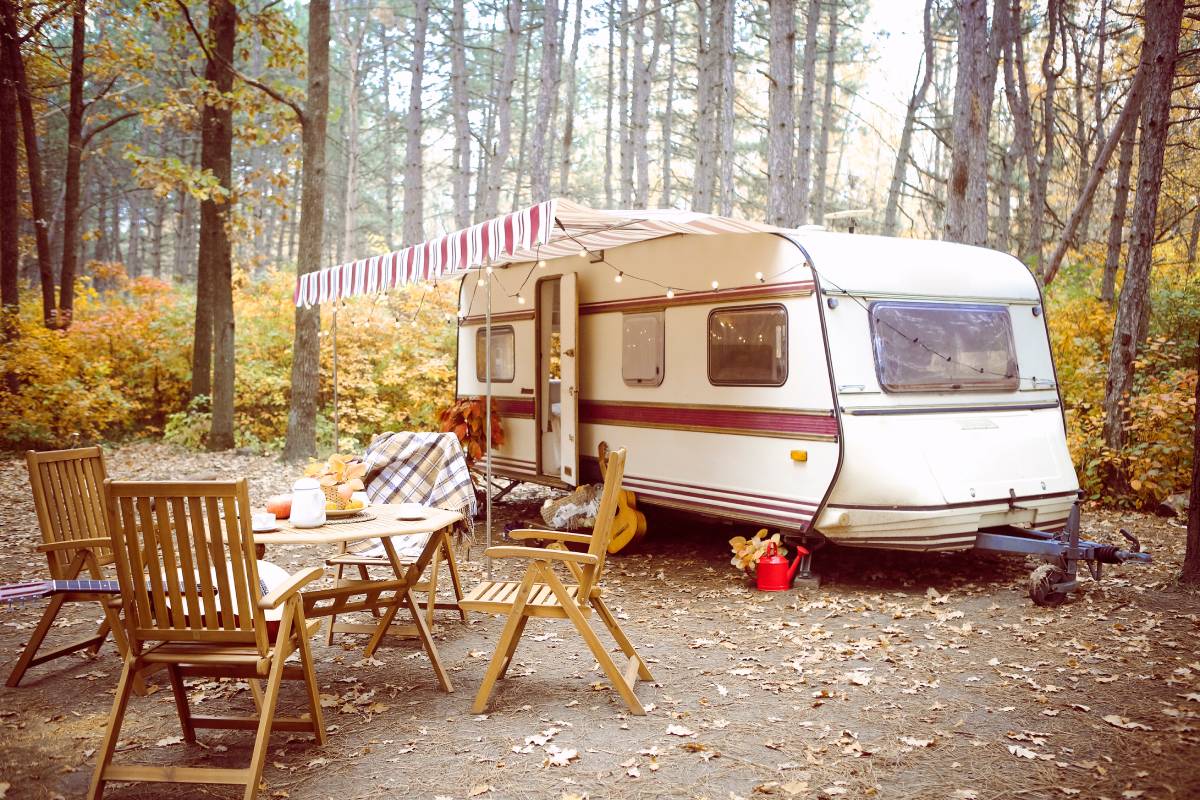
Let’s start with why so many people actively prefer old caravans.
1. Much Lower Purchase Price
Old caravans can cost 50–80% less than new models. That means:
- Lower loan repayments (or no loan at all)
- Less financial stress if plans change
- Faster entry into caravan travel
For first-time buyers, this is often the biggest advantage.
2. Slower Depreciation
New caravans lose value the moment you tow them away. Old caravans?
They’ve already taken the hit, so resale value tends to be far more stable.
3. Simpler Systems
Older caravans usually have:
- Fewer electronics
- Basic plumbing
- Straightforward gas systems
That makes them easier (and cheaper) to maintain or DIY repair.
4. Renovation Potential
If you enjoy hands-on projects, an old caravan is a blank canvas:
- Modernise interiors
- Add solar or lithium batteries
- Upgrade kitchens or beds
Many people end up with a custom caravan for a fraction of the new prices.
The Cons and Hidden Risks You Must Know
This is where people get burned—so read carefully.
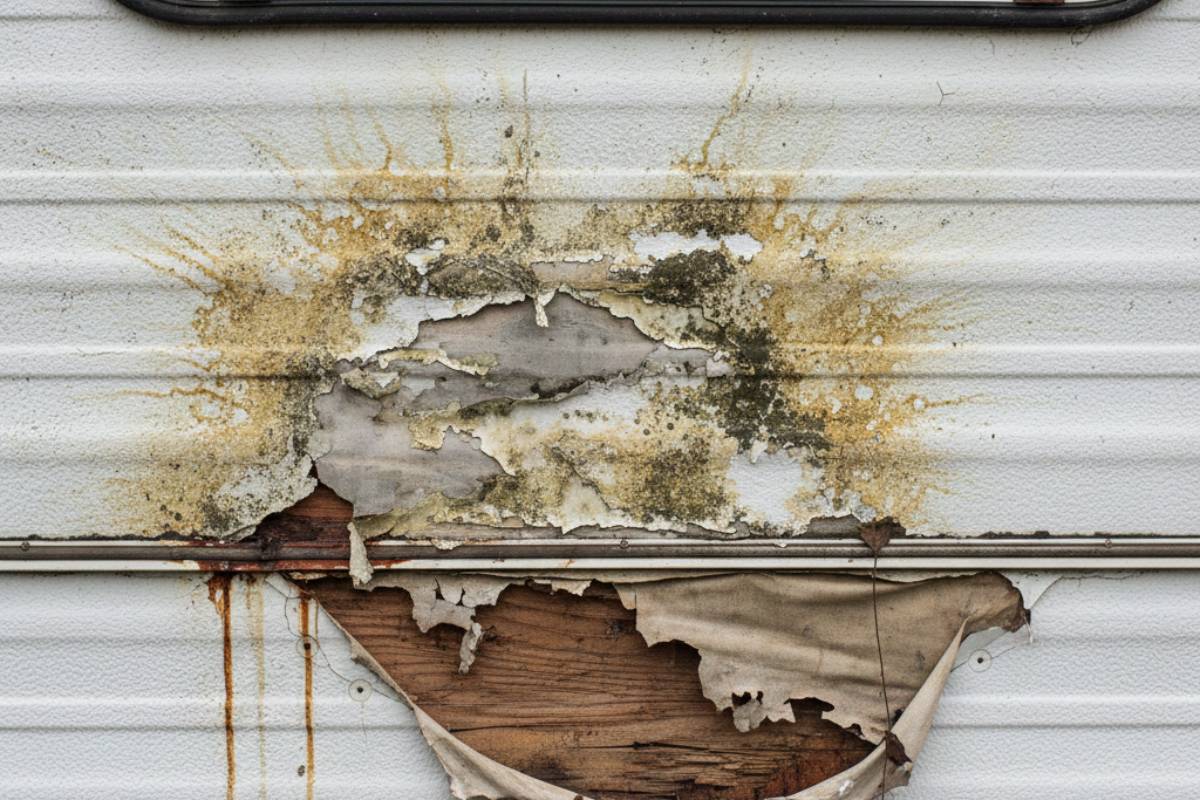
1. Water Damage (The #1 Deal Breaker)
Water ingress is common in older caravans and often invisible.
- Soft walls or floors
- Musty smells
- Bubbling vinyl or warped panels
If structural water damage is present, walk away.
2. No Warranty
Unlike new caravans, old ones are sold as-is.
That means every repair cost is on you.
3. Parts Availability
Some older models use discontinued components.
- Fridges
- Windows
- Suspension parts
Repairs can take longer and cost more.
4. Outdated Safety Standards
Older caravans may lack:
- Modern braking systems
- Advanced electrical protection
- Compliance with current regulations
You may need upgrades to register or ensure it. This becomes even more important when you are towing caravans interstate, as different states may enforce varying safety, braking, and compliance requirements.
How to Inspect an Old Caravan: 6-Step Checklist
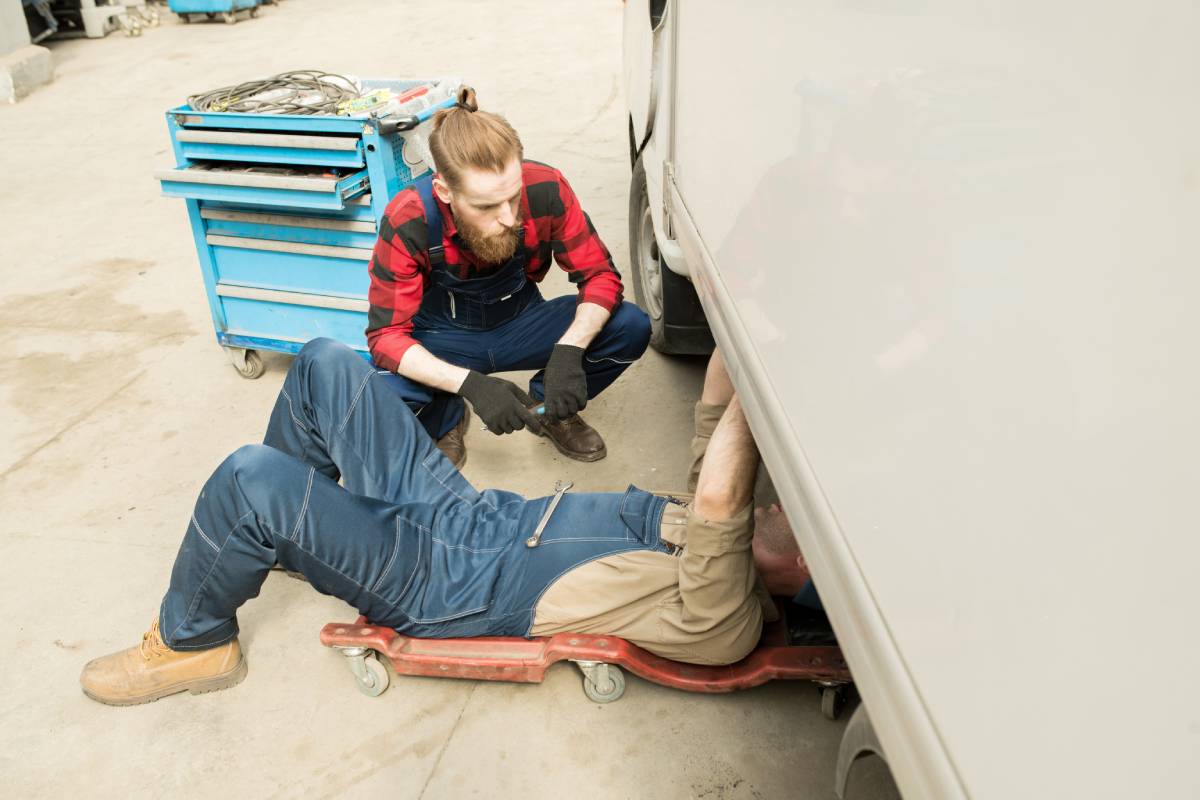
If you only read one section, make it this one.
1. Check for Water Ingress
- Press walls and corners for softness
- Inspect roof seals and windows
- Look under beds and cupboards
2. Inspect the Chassis
- Rust, cracks, or bent rails are red flags
- Pay close attention to the suspension mounts
3. Tyres and Suspension
- Tyres older than 5 years need replacing
- Look for sagging or uneven ride height
4. Electrical System
- Test lights, power points, and the battery
- Ask if it’s been rewired or modified
5. Gas and Appliances
- Check compliance plates
- Test the stove, fridge, and hot water system
6. Paperwork
- VIN or chassis number matches registration
- No outstanding finance
- Service or repair history (if available)
Pro tip
If unsure, pay for a professional pre-purchase inspection. It’s cheap insurance.
Old vs New Caravan: Cost Comparison
| Cost Category | Old Caravan | New Caravan |
| Purchase Price | Low | High |
| Depreciation | Minimal | Very High |
| Maintenance | Medium–High | Low (initially) |
| Warranty | No | Yes |
| Customisation | Easy | Limited |
| Tech & Comfort | Basic | Advanced |
Bottom line: You trade convenience for value.
When Buying an Old Caravan Makes Sense
An old caravan is a great idea if you:
- Are on a tight or moderate budget
- Travel occasionally or seasonally
- Enjoy DIY repairs or renovations
- Want low depreciation risk
Some buyers even repurpose older caravans as mobile offices or storage spaces for your business, making them a flexible asset beyond leisure travel.
It’s probably not ideal if you:
- Want zero maintenance
- Travel full-time
- Rely heavily on warranties and dealers
For people exploring flexible lifestyles—such as remote work, seasonal travel, or even great driving jobs that involve moving between regions—an old caravan can be a practical and affordable base.
Renovating an Old Caravan: Is It Worth It?
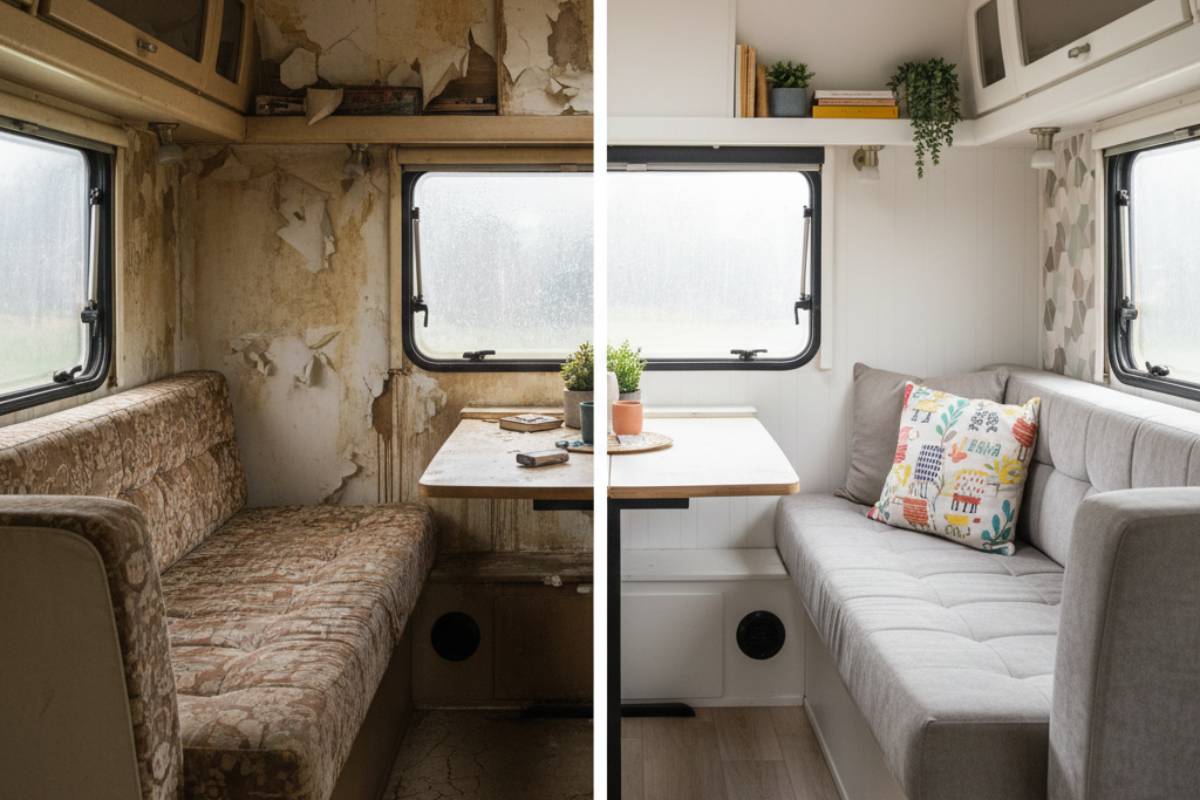
Renovation can be incredibly rewarding—but only if done smartly.
Typical Upgrade Costs (Rough Guide)
- Interior refresh (paint, flooring): Low
- Solar + battery upgrade: Medium
- Plumbing or electrical overhaul: Medium–High
- Structural repairs: Often not worth it
Golden rule:
If renovation costs push total spend close to a newer caravan, stop.
Final Verdict: Should You Buy One?
So, is it a good idea to buy an old caravan?
Yes—if you buy with your eyes open.
An old caravan can deliver incredible value, freedom, and character—but only when you inspect thoroughly and budget realistically.
If you treat it like a bargain without due diligence, it becomes expensive fast.
If you treat it like an investment of time and care, it can reward you for years.
Would you rather pay more upfront—or learn, save, and build something uniquely yours?